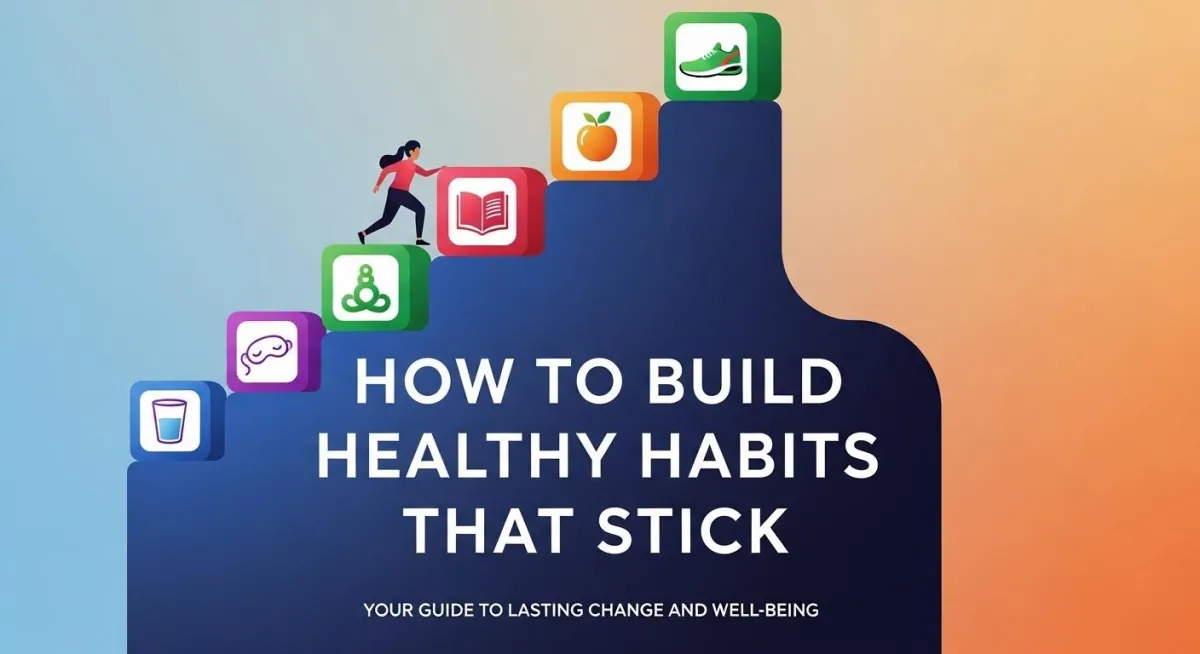
How to Build Healthy Habits That Stick
Want to build lasting healthy habits in a supportive, structured environment? Trinity House Sober Living in Marysville, WA provides men with the accountability, routine, and community support essential for developing habits that transform your recovery journey. Our proven program helps residents create sustainable lifestyle changes that support long-term sobriety. Call us today at (425) 474-3210 or visit trinityhouse.info to learn how we can help you build the foundation for lasting change.
Recovery from addiction is fundamentally about replacing destructive habits with healthy ones. You're not just stopping substance use—you're rebuilding your entire life from the ground up, one habit at a time. The daily choices you make, repeated consistently over weeks and months, become the person you are in recovery.
But here's the challenge: knowing what healthy habits you should build is easy. Actually building them and making them stick is another story entirely. Most people in early recovery are motivated and enthusiastic at first, but that initial burst of determination fades when faced with the reality of daily life, stress, setbacks, and the thousand small decisions that test your commitment.
This comprehensive guide will show you not just what habits to build, but how to build them in ways that last. You'll learn the science behind habit formation, practical strategies for making changes stick, and how to leverage your sober living environment to support your transformation.
Understanding How Habits Actually Work
Before you can build lasting habits, you need to understand what habits are and how they function in your brain. A habit is essentially a behavior that becomes automatic through repetition. Your brain creates neural pathways that make certain actions require less conscious thought and willpower over time.
The Habit Loop: Habits follow a three-part pattern known as the habit loop, consisting of a cue, routine, and reward.
The cue is a trigger that tells your brain to initiate a behavior. It could be a time of day, an emotional state, a location, the presence of certain people, or a preceding action. For example, waking up might be a cue to make your bed, or feeling stressed might be a cue to call your sponsor.
The routine is the behavior itself—the actual action you take in response to the cue. This is what most people think of when they think about habits: going to the gym, meditating, journaling, attending meetings, or eating a healthy breakfast.
The reward is what your brain gets from completing the routine. This could be a sense of accomplishment, reduced stress, social connection, improved energy, or simply the satisfaction of following through on a commitment. Rewards reinforce the behavior and make your brain more likely to repeat it when the cue appears again.
Understanding this loop is crucial because it reveals that lasting habit change isn't primarily about willpower or motivation—it's about engineering your environment and routines to make desired behaviors easier and more rewarding than undesired ones.
Addiction Hijacked Your Habit System: During active addiction, substances created an incredibly powerful habit loop. The cue could be almost anything—stress, boredom, social situations, certain places or times of day. The routine was using. The reward was the intense dopamine release that substances provided, far stronger than natural rewards.
This explains why addiction feels so automatic and why willpower alone isn't enough to overcome it. Your brain has been trained through thousands of repetitions that using is the solution to uncomfortable feelings, social situations, or simply being awake.
Recovery means building new habit loops that are healthier but initially feel less rewarding than the addictive behavior. This is why structure, support, and persistence are so important—you're literally rewiring your brain, and that takes time and consistent practice.
The Foundation: Start Ridiculously Small
The biggest mistake people make when building new habits is starting too big, too fast. You decide you're going to completely transform your life overnight: wake up at 5 AM, meditate for 30 minutes, go to the gym, eat perfectly, attend multiple meetings, journal extensively, and so on.
This approach almost always fails because it requires too much willpower and creates too many opportunities for failure. When you inevitably can't maintain this unrealistic standard, you feel discouraged and often abandon your efforts entirely.
Instead, start with habits so small they seem almost ridiculous. Want to build a meditation practice? Start with two minutes—or even one minute. Want to exercise regularly? Start with a single push-up or a five-minute walk. Want to journal daily? Start by writing just three sentences.
Why Small Habits Work:
They require minimal willpower, so you can maintain them even on difficult days. They're easy to fit into your existing schedule without major disruption. They create quick wins that build confidence and momentum. They establish the identity and routine without overwhelming you. Once the small habit is truly automatic, you can gradually expand it.
The goal isn't to stay at this minimal level forever—it's to establish the behavior as automatic before increasing the difficulty. You're training your brain that "I'm the kind of person who meditates every morning" before you worry about how long you meditate.
Many people in recovery resist this approach because it feels like they're not doing enough. But here's the truth: a two-minute daily meditation practice that you maintain for six months is infinitely more valuable than a 30-minute practice that you abandon after two weeks. Consistency matters more than intensity, especially in the beginning.
Habit Stacking: The Secret to Making New Behaviors Stick
One of the most effective strategies for building new habits is called habit stacking. This technique involves attaching your new habit to an existing habit, using the completion of the first behavior as the cue for the second.
The formula is simple: "After I [CURRENT HABIT], I will [NEW HABIT]."
For example:
After I pour my morning coffee, I will write three things I'm grateful for.
After I brush my teeth at night, I will lay out my clothes for tomorrow.
After I get home from work, I will change into workout clothes.
After I finish dinner, I will call someone from my support network.
After I attend my morning meeting, I will read one page of recovery literature.
Why Habit Stacking Works:
It leverages existing neural pathways instead of trying to create entirely new ones from scratch. It eliminates the need to remember to do the new habit because the cue is built into your day. It creates natural associations that make the new behavior feel like a logical part of your routine. It provides structure without requiring extensive planning.
When choosing which existing habit to stack your new behavior onto, select something you already do consistently at a specific time or place. The more automatic and reliable the existing habit, the better it works as an anchor for the new one.
You can also create chains of stacked habits: After I wake up, I will make my bed. After I make my bed, I will do five minutes of stretching. After I stretch, I will meditate for two minutes. This creates a morning routine where each behavior naturally flows into the next.
Design Your Environment for Success
Your environment shapes your behavior far more than you probably realize. Willpower is a limited resource, but environmental design is essentially unlimited. By intentionally crafting your surroundings, you can make good habits easier and bad habits harder.
Make Good Habits Obvious:
Place visual cues in your environment that remind you of habits you want to build. Put your running shoes by your bed if you want to exercise in the morning. Keep a water bottle on your desk if you want to drink more water. Place your journal and pen on your pillow so you see them before bed.
In a sober living home, you can coordinate with housemates to create shared environmental cues. Post a meeting schedule on the refrigerator. Create a communal workout space. Set up a meditation corner with cushions where anyone can sit.
Make Good Habits Easy:
Reduce the friction between you and desired behaviors. Prepare your coffee maker the night before. Meal prep on Sundays so healthy food is ready to grab. Keep recovery literature in multiple places—your car, nightstand, and bathroom. Download meditation and recovery apps so they're always accessible.
The "two-minute rule" states that new habits should take less than two minutes to start. You're not committing to a full workout, just to putting on your gym clothes. You're not committing to writing a lengthy journal entry, just to opening your journal. Often, once you start, you'll continue—but even if you don't, you've reinforced the habit.
Make Bad Habits Invisible and Difficult:
Remove cues for behaviors you want to avoid. If you tend to waste hours on social media when you're stressed, delete the apps from your phone and only access them on a computer. If certain people or places trigger urges to use, actively avoid them, especially in early recovery.
In sober living, this principle is built into the structure: substances aren't available in your environment. There's no alcohol in the refrigerator, no drugs in the house. This environmental design removes the most dangerous temptation and makes relapse significantly harder.
Optimize for Your Energy Levels:
Place habits that require the most willpower and mental energy at times when you're naturally strongest. For most people, this is morning. Put challenging habits like exercise, job searching, or difficult recovery work early in the day. Save easier habits like relaxing with housemates or light reading for evening when your willpower is depleted.
The Power of Identity-Based Habits
There are two ways to approach habit change, and one is dramatically more effective than the other.
Outcome-Based Habits: "I want to stay sober for 90 days." "I want to lose 20 pounds." "I want to get a job." These habits focus on what you want to achieve.
Identity-Based Habits: "I am a person in recovery who values sobriety." "I am someone who takes care of their body." "I am a reliable, responsible person." These habits focus on who you want to become.
The difference seems subtle, but it's profound. Outcome-based habits are about changing what you do. Identity-based habits are about changing who you are. When your behaviors flow from your identity, they become more sustainable because they're expressions of who you believe yourself to be, not tasks you force yourself to complete.
Every action you take is a vote for the type of person you want to become. When you make your bed, you're casting a vote for being an organized, disciplined person. When you attend a meeting even when you don't feel like it, you're voting for being someone committed to recovery. When you choose water over soda, you're voting for being health-conscious.
How to Build Identity-Based Habits:
Start by deciding who you want to be. What does the person you're becoming in recovery look like? They're probably honest, reliable, healthy, connected to others, responsible, and committed to growth. Define these identity traits clearly.
Then ask yourself: What would this person do in this situation? When deciding whether to attend a meeting, ask "What would a person serious about recovery do?" When choosing what to eat, ask "What would someone who respects their body choose?" Let your desired identity guide your decisions.
Small wins are especially important for building identity because they provide evidence that you are indeed becoming this new person. Each time you follow through on a commitment, you prove to yourself that you're reliable. Each time you choose a healthy option, you reinforce that you're someone who makes good choices.
Over time, your identity shifts. You stop thinking of yourself as "someone trying to stay sober" and start thinking of yourself as "someone in recovery." You stop being "someone who should exercise" and become "someone who works out." This shift makes the behaviors feel natural rather than forced.
Use Implementation Intentions
Most people approach habit change with vague intentions: "I'll eat healthier." "I'll exercise more." "I'll go to meetings regularly." These vague intentions fail because when the moment arrives to act, your brain has to make a decision, and decisions require willpower and are vulnerable to emotions, stress, and temptation.
Implementation intentions are specific plans that eliminate the need for in-the-moment decision-making. The format is: "I will [BEHAVIOR] at [TIME] in [LOCATION]."
For example:
"I will attend an AA meeting at 7 PM on Monday, Wednesday, and Friday at the church on Main Street."
"I will exercise for 20 minutes at 6:30 AM in my bedroom."
"I will call my sponsor at 9 PM every night from my car before entering the house."
"I will journal for 10 minutes at 10 PM at my desk."
Why Implementation Intentions Work:
They remove ambiguity about when and where you'll perform the behavior. They make the behavior more concrete and observable, so you can clearly tell whether you did it. They reduce the cognitive load of remembering to do things. They create a commitment device that increases follow-through.
Research shows that people who use implementation intentions are significantly more likely to follow through on their goals than those who simply intend to do better. The specificity transforms a vague wish into a concrete action plan.
Take this a step further by also planning for obstacles: "If I'm tempted to skip my morning meeting because I'm tired, then I will remember that I always feel better after attending and go anyway." This "if-then" planning prepares you to navigate challenges before they arise.
Track Your Progress Without Obsessing
What gets measured gets managed. Tracking your habits serves multiple purposes: it creates accountability, provides motivation as you see your streak grow, helps you identify patterns and obstacles, and gives you data to evaluate what's working.
Simple Tracking Methods:
The easiest approach is a habit tracker—a calendar where you mark an X on each day you complete your habit. You can use a physical calendar on your wall, a bullet journal, or apps like Habitica, Streaks, or Habit Tracker. The visual reminder of your streak creates motivation to maintain it.
Many people in recovery already track their sobriety date and days sober. Apply this same principle to other habits. Track how many days in a row you've exercised, meditated, attended meetings, or journaled. Seeing the number grow is remarkably motivating.
Track the Right Things:
Focus on tracking behaviors you control, not outcomes you don't. Don't track "lose weight" (outcome)—track "ate three servings of vegetables" (behavior). Don't track "get a job" (outcome)—track "submitted two job applications" (behavior).
In recovery, track leading indicators like "attended meetings," "called sponsor," and "practiced coping skills" rather than lagging indicators like "days without cravings." You control your actions; outcomes will follow.
Don't Break the Chain, But Forgive Yourself When You Do:
Once you have a streak going, the motivation to "not break the chain" becomes powerful. However, perfection isn't the goal—consistency is. If you miss a day, don't let it become two days. Don't let a single missed habit derail your entire system.
Use the "never miss twice" rule: missing once is an accident; missing twice is the beginning of a new (bad) habit. Get back on track immediately without judgment or shame.
Build Systems, Not Goals
Goals are about the results you want to achieve. Systems are about the processes that lead to those results. Goals are useful for setting direction, but systems are what actually create change.
Consider someone who wants to stay sober for a year. That's a goal. Their system is the daily habits that support sobriety: attending meetings, calling their sponsor, avoiding triggers, using coping skills, maintaining healthy routines, and staying connected to their recovery community.
Why Systems Beat Goals:
Goals are temporary; systems are permanent. Once you achieve a goal, the motivation disappears. But a system continues indefinitely. Goals create an "all or nothing" mentality where you're either succeeding or failing. Systems create continuous improvement where every day you follow the process is a success.
Goals focus on the destination; systems focus on the journey. Since you spend far more time on the journey than at any destination, you might as well make the journey itself rewarding.
Building Effective Systems:
Your system should include: clear, specific habits you'll perform daily or weekly; environmental design that supports these habits; tracking methods to maintain awareness; social support and accountability; regular reviews to assess what's working; and flexibility to adjust when needed.
For someone in a sober living home, your system might include: wake up at 6:30 AM, make bed immediately, morning hygiene routine, healthy breakfast, morning meeting at 8 AM, work or job search from 9 AM to 5 PM, gym at 5:30 PM, dinner with housemates at 7 PM, evening meeting or recovery work at 8 PM, call sponsor at 9 PM, journal and plan tomorrow at 9:30 PM, bedtime routine at 10 PM, lights out at 10:30 PM.
This system, followed consistently, will produce results far better than any single goal could. The goal (long-term sobriety, employment, healthy relationships) becomes almost inevitable when the system is solid.
Leverage Social Support and Accountability
Humans are social creatures, and our behavior is heavily influenced by the people around us. Use this to your advantage by building habits in community rather than isolation.
Accountability Partners:
Find someone who shares similar goals and agree to check in regularly. This could be a housemate working on the same habit, your sponsor, a friend from meetings, or a recovery coach. Share your commitments with them and report on your progress.
Knowing someone will ask "Did you do your morning meditation?" creates external motivation that supplements your internal drive. On days when you don't feel like following through, the knowledge that you'll have to admit you skipped helps push you forward.
Make It Social:
Transform solitary habits into social ones when possible. Instead of exercising alone, work out with a housemate. Instead of meal prepping individually, coordinate with others to cook together. Attend meetings as a group. Study recovery literature with others and discuss what you're learning.
Social habits are easier to maintain because they're reinforcing in multiple ways: you get the benefit of the habit itself, plus connection with others, plus you don't want to let your companions down by skipping.
Join or Create a Challenge:
30-day challenges can be powerful for establishing new habits. Challenge your house to attend at least one meeting every day for 30 days, or to work out at least 20 minutes daily, or to journal every evening. Public commitment increases follow-through, and shared struggle creates bonding.
Learn from Others:
In a sober living environment, you're surrounded by people at various stages of building healthy habits. Pay attention to what's working for others. Ask questions. Share strategies. The collective wisdom of your community is a tremendous resource.
Share Your Why:
Tell people why certain habits matter to you. When your housemates understand that morning meditation helps you manage anxiety, they'll respect your routine and maybe even protect your meditation time. When they know exercise is your primary coping skill for cravings, they'll encourage you to go to the gym even when you're making excuses.
Handle Setbacks and Plateaus
You will miss days. You will have setbacks. Habits you thought were solid will sometimes fall apart. This is normal and doesn't mean you've failed—it means you're human.
When You Miss a Habit:
Get back on track immediately. Don't wait until Monday or next month—start again right now. Analyze what went wrong without self-judgment. Was the habit too difficult? Did your environment change? Did you lack a clear cue? Use setbacks as data to improve your system.
Apply the "never miss twice" rule. One missed day is just a blip. Two consecutive missed days is the start of a new pattern. Whatever you do, don't miss twice in a row.
When Habits Feel Boring:
At some point, habits that were exciting and rewarding start feeling routine and boring. This is actually a sign of success—the behavior has become automatic. But boredom can lead to inconsistency.
Combat boredom by: introducing small variations (different meeting locations, new workout routines, varied meditation practices); setting new challenges within the habit (faster times, heavier weights, longer durations); focusing on the identity the habit builds rather than the activity itself; and remembering why you started.
When Progress Stalls:
You might hit a plateau where you're maintaining habits but not seeing the results you expected. This is frustrating but common. Remember that habits often have a lag time before results become visible. Stay consistent even when progress isn't obvious.
Also evaluate whether your habits are actually aligned with your goals. Are you going through the motions or truly engaging? Sometimes what looks like a plateau is actually misdirected effort.
When Life Gets Chaotic:
Stress, illness, travel, job changes, family emergencies—life throws curveballs that disrupt even solid routines. During these times, fall back on your most essential habits. Which 2-3 habits are absolutely non-negotiable for maintaining your sobriety and wellbeing? Protect those at all costs and be willing to let others slide temporarily.
This is where starting small pays off. If your meditation habit started at two minutes, you can maintain it even during chaos. If it started at 30 minutes, you'll likely abandon it when life gets difficult.
Specific Habits to Prioritize in Recovery
While everyone's recovery journey is unique, certain habits are universally beneficial for people in sober living:
Daily Meeting or Check-In: This is the foundation of recovery for most people. Whether it's AA, NA, or another support group, daily connection with recovery community keeps you grounded and accountable.
Regular Communication with Sponsor or Mentor: Daily or near-daily contact with someone further along in recovery provides guidance, accountability, and perspective.
Physical Exercise: Movement reduces stress, improves mood, promotes better sleep, and provides a healthy outlet for difficult emotions. Even 15-20 minutes daily makes a significant difference.
Adequate Sleep: Maintain a consistent sleep schedule with 7-9 hours nightly. Poor sleep undermines everything else you're trying to build.
Nutritious Meals: As covered in previous posts, proper nutrition supports brain healing, mood stability, and overall health. Build habits around meal planning, grocery shopping, and cooking.
Mindfulness or Meditation: Even brief daily practice helps you observe thoughts and emotions without reacting impulsively, a crucial skill in recovery.
Journaling or Reflection: Regular written reflection helps you process experiences, track growth, identify patterns, and maintain self-awareness.
Meaningful Work or Productive Activity: Whether employment, education, volunteering, or job searching, having purpose and structure in your days is essential.
Contribution to Your Living Environment: Making your bed, doing your chores, participating in house maintenance—these small acts build self-respect and community.
Social Connection: Regular positive interaction with sober friends, family, housemates, and recovery community combats isolation and builds your support network.
You don't need to master all of these at once. Choose 2-3 to focus on initially, make them automatic, then gradually add more.
The Long Game: Patience and Self-Compassion
Building lasting habits is a marathon, not a sprint. Research suggests it takes anywhere from 18 to 254 days for a new behavior to become automatic, with an average around 66 days. That's two months of consistent practice before something truly feels effortless.
This means you need patience. You need self-compassion. You need to release the expectation of immediate transformation and embrace the gradual, sometimes imperceptible process of becoming a different person through daily choices.
Be Kind to Yourself:
You're not just building habits—you're recovering from addiction while simultaneously reconstructing your entire life. That's enormous. If you're showing up every day and making effort, you're succeeding, even when it doesn't feel that way.
Talk to yourself the way you'd talk to a friend in your situation. You wouldn't berate them for missing a workout or having a difficult day. Extend yourself the same grace.
Celebrate Small Wins:
Don't wait until you've achieved major milestones to acknowledge your progress. Celebrate making your bed for a week straight. Celebrate attending 30 meetings in 30 days. Celebrate cooking a healthy meal. These small wins are actually the big wins—they're proof that you're changing.
Trust the Process:
There will be days, even weeks, when you can't see progress. Your habits feel pointless. Your efforts seem futile. This is when faith in the process matters most. Consistent daily action, even when you can't see results, is what creates transformation over time.
Think of habits like investing: small deposits made consistently over time compound into substantial returns. You can't see the growth day to day, but look back after six months or a year and the difference is undeniable.
Your Sober Living Advantage
Living in a sober living home gives you significant advantages for building lasting habits:
Structure and Routine: House rules, schedules, and expectations create external structure that supports your habit development. Use this time wisely.
Built-In Accountability: Housemates and staff notice when you're not following through. This external accountability supplements your internal motivation.
Peer Learning: You're surrounded by others who are building similar habits. Learn from their successes and challenges.
Safe Environment: Free from substances and triggering situations, you can focus your energy on building positive habits rather than resisting negative ones.
Time-Limited Opportunity: You won't be in structured sober living forever. Use this protected time to establish habits that will support you when you transition to independent living.
The habits you build now—in this supportive, structured environment—will be the foundation you stand on for years to come. Take advantage of this opportunity to get the fundamentals right.
Moving Forward
Healthy habits aren't about perfection, discipline, or willpower. They're about small, consistent actions that compound over time into remarkable transformation. They're about engineering your environment and routines to make good choices easier than bad ones. They're about becoming the person you want to be, one tiny decision at a time.
You don't need to change everything at once. You don't need to be perfect. You just need to start small, stay consistent, and trust that daily effort will eventually create the life you're working toward in recovery.
Your addiction formed over months or years of reinforcing destructive patterns. Your recovery will form the same way—through months and years of reinforcing healthy patterns. That might sound daunting, but it's also hopeful: every single day you show up for yourself, you're moving in the right direction.
The person you're becoming is built from the habits you practice today. Choose wisely. Start small. Stay consistent. Trust the process. And use every resource available—including the structure and support of your sober living community—to build habits that will carry you through a lifetime of recovery.
Ready to build lasting habits in a supportive, accountable environment? Trinity House Sober Living in Marysville, WA provides the structure, community, and daily support that makes healthy habit formation not just possible, but likely. Call us today at (425) 474-3210 or visit trinityhouse.info to learn how our program can help you create the foundation for lasting sobriety and success.