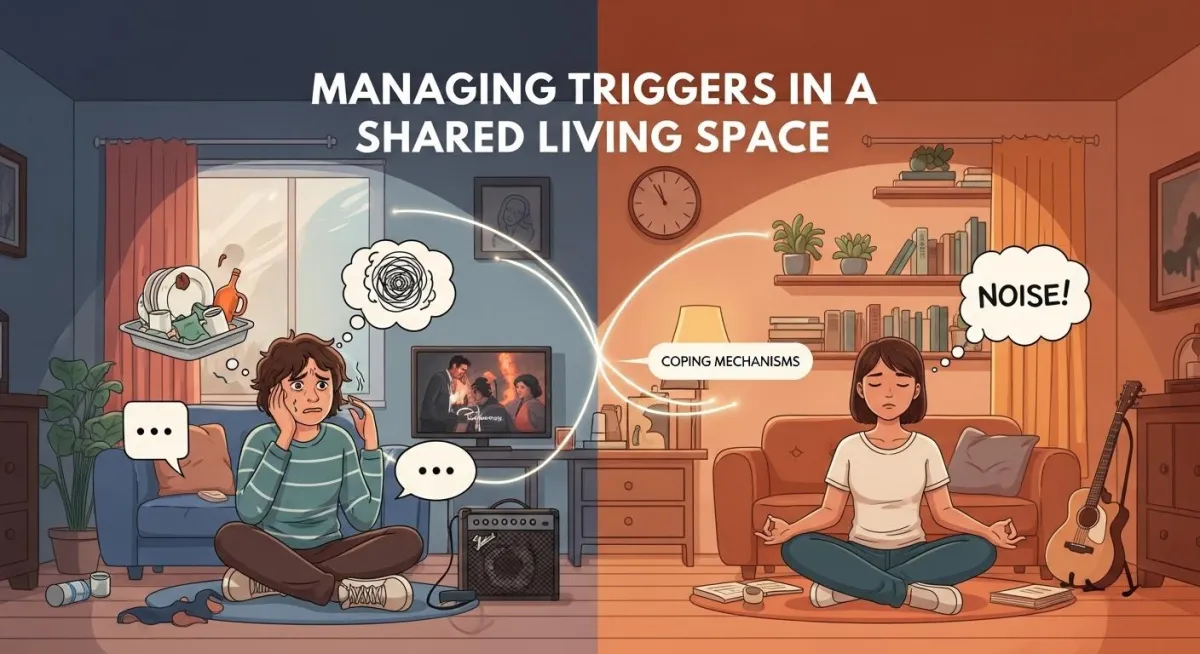
Managing Triggers in a Shared Living Space
Ready to Start Your Recovery Journey in a Supportive Environment?
At Trinity House Sober Living in Marysville, WA, we understand the unique challenges of early recovery—including managing triggers in a shared living space. Our structured, supportive community of men helps you build the skills and resilience you need for lasting sobriety.
We currently have open beds available!
📞 Call us today: (425) 474-3210
🌐 Visit: https://trinityhouse.info
📝 Apply online: https://trinityhouse.info/application
Hope lives here. Let us walk this journey with you.
Understanding Triggers in Communal Recovery Spaces
Living in a sober living home offers tremendous benefits for your recovery journey, but it also presents unique challenges. One of the most significant challenges you'll face is learning to identify and manage triggers while sharing space with others who are also navigating their own recovery paths.
Triggers are sensory experiences, emotions, situations, or interactions that create cravings or urges to use substances. In a shared living environment, you're exposed to more potential triggers than you might encounter living alone—but you also have more support and opportunities to develop healthy coping mechanisms in real-time.
The good news? A sober living home like Trinity House isn't just a place where triggers exist—it's a training ground where you learn to manage them effectively before transitioning back to independent living.
Common Triggers in Shared Sober Living Environments
Interpersonal Conflicts and Tension
When multiple people live together, disagreements are inevitable. A housemate might leave dishes in the sink, play music too loud, or forget to complete their assigned chores. For someone in early recovery, these seemingly minor frustrations can trigger intense emotional responses that previously would have been numbed with substances.
Conflict itself becomes a trigger because many people in recovery used drugs or alcohol to avoid confrontation or manage anger. Now, you're learning to navigate these situations without your old coping mechanism.
Hearing Others' Stories and Struggles
In a sober living home, you're surrounded by people sharing their experiences, including stories from their active addiction. While peer support is invaluable, hearing detailed accounts of substance use or relapse can sometimes trigger memories, cravings, or anxiety about your own recovery journey.
One resident's bad day might affect the emotional atmosphere of the entire house, creating a ripple effect that tests everyone's resilience.
Environmental Reminders
Certain smells, sounds, music, TV shows, or even specific times of day can serve as powerful triggers. In a shared space, you have less control over these environmental factors. A housemate might watch a show featuring drug use, play music from your using days, or cook food that reminds you of places or people associated with your addiction.
Changes in House Dynamics
Sober living homes have rotating residents. New people arrive, others graduate and move on, staff members change, and house rules may evolve. These transitions can trigger anxiety, feelings of abandonment, or fear about your own stability and progress.
Success and Progress Triggers
Interestingly, watching others succeed can sometimes trigger complicated emotions. When a housemate lands a great job, repairs a broken relationship, or celebrates a sobriety milestone, you might experience unexpected feelings of jealousy, inadequacy, or impatience with your own recovery timeline.
Privacy and Personal Space Limitations
The lack of private space can itself become a trigger. When you're accustomed to isolating during difficult emotions, the inability to completely withdraw can create anxiety. You can't always escape to your own apartment, close the door, and be entirely alone with your thoughts.
Practical Strategies for Managing Triggers in Shared Living
1. Develop Trigger Awareness Through Daily Check-Ins
Start each day with a personal check-in. Before you even get out of bed, take five minutes to assess your emotional state, physical sensations, and stress level. Are you feeling anxious? Tired? Irritable? This self-awareness helps you anticipate how you might react to potential triggers throughout the day.
Keep a small journal or use your phone to track:
Times when you felt triggered
What specifically triggered you
How intensely you felt it (rate 1-10)
What you did to cope
Whether your coping strategy was effective
Over time, you'll identify patterns. Maybe you're most vulnerable on Sunday evenings, or perhaps certain people consistently trigger specific reactions. Knowledge is power—once you know your patterns, you can plan accordingly.
2. Establish Personal Boundaries and Communicate Them Clearly
In a sober living home, you don't have to be everyone's best friend, therapist, or support person. It's okay to set boundaries around what you're willing to discuss, which house activities you participate in, and how much emotional labor you take on for others.
Practice saying:
"I care about you, but I need to focus on my own recovery right now and can't take on your struggles today."
"That story is triggering for me. Can we talk about something else?"
"I need some quiet time in my room. I'll join the group later."
"I'm not in a good headspace for conflict right now. Can we discuss this tomorrow with staff present?"
Clear boundaries aren't selfish—they're essential self-care. They also model healthy behavior for other residents and contribute to a more respectful house culture overall.
3. Create a Trigger Response Plan
Work with your sponsor, therapist, or house manager to create a specific plan for when you're triggered. This plan should include immediate actions you can take, people you can contact, and physical locations you can go to when you need to reset.
Your plan might include:
Immediate actions: Deep breathing exercises, splashing cold water on your face, stepping outside for fresh air, doing 20 jumping jacks
5-minute strategies: Calling your sponsor, texting your accountability partner, listening to a specific calming playlist, reading affirmations
Longer-term strategies: Attending an extra meeting, going for a walk or run, journaling, taking a shower
Emergency contacts: Sponsor's number, house manager's number, crisis hotline numbers
Post this plan somewhere visible in your personal space. When you're triggered, your ability to think clearly is compromised, so having a pre-made plan removes the burden of decision-making in a vulnerable moment.
4. Use House Meetings to Address Common Triggers
Most sober living homes hold regular house meetings. Use this time constructively to address environmental triggers that affect the community. Rather than suffering in silence or complaining after the fact, speak up during meetings.
Suggest house agreements around:
Quiet hours for sleep and personal time
Guidelines about sharing war stories or drug use details
Kitchen and common area cleanliness standards
Volume levels for music and TV
Respecting closed doors and personal space
When you frame these conversations around collective well-being rather than personal complaints, you're more likely to find support from both residents and staff. You might discover others share your concerns but were hesitant to speak up.
5. Develop a Grounding Practice for Acute Triggers
When you're suddenly triggered, your nervous system goes into fight-or-flight mode. Grounding techniques help you return to the present moment rather than getting swept away by cravings or emotional overwhelm.
Try the 5-4-3-2-1 technique:
Identify 5 things you can see
Identify 4 things you can touch
Identify 3 things you can hear
Identify 2 things you can smell
Identify 1 thing you can taste
This simple exercise interrupts the trigger response by redirecting your attention to sensory input. It takes less than two minutes and can be done anywhere—sitting at the dining table, standing in the kitchen, or lying in your bed.
6. Build Positive Associations with Housemates
Rather than viewing your housemates purely as potential trigger sources, intentionally create positive associations with them. Schedule regular, sober activities that build camaraderie and positive memories.
Consider organizing:
Weekly movie nights (avoiding substance-related content)
Group cooking nights where everyone contributes
Outdoor activities like hiking, basketball, or fishing
Game nights with board games or video games
Group attendance at recovery meetings or events
Volunteer activities in the community
When you have a library of positive shared experiences with your housemates, minor conflicts and tensions are less likely to trigger extreme reactions. You've built a foundation of goodwill that makes the household feel like a genuine community rather than just a collection of struggling individuals under one roof.
7. Establish Personal Rituals and Routines
In the absence of complete control over your environment, consistent personal routines provide structure and predictability. These rituals become anchors during chaotic or triggering times.
Morning rituals might include:
Waking at the same time daily
Making your bed immediately
Meditation or prayer
Reading daily affirmations or recovery literature
Exercise or stretching
Healthy breakfast
Evening rituals might include:
Gratitude journaling
Reviewing your trigger journal
Planning tomorrow's activities
Relaxation exercises or guided meditation
Reading for pleasure
Setting out clothes and preparing for the next day
These rituals send a message to your brain: "I'm safe. Life has order and structure. I'm taking care of myself." This sense of personal control helps counterbalance the loss of control inherent in communal living.
8. Practice Pause and Respond Instead of React
Recovery teaches you to insert space between stimulus and response. When triggered, your instinct might be to immediately react—snap at a housemate, storm out of the room, or isolate completely. Instead, practice the pause.
When triggered, tell yourself: "I'm going to wait 60 seconds before I respond to this situation."
During that minute:
Take deep breaths
Notice your physical sensations without judgment
Remind yourself that feelings are temporary
Consider whether your emotional intensity matches the actual situation
Think about your values and who you want to be in this moment
This pause gives your prefrontal cortex—the rational part of your brain—time to come back online. You'll make better decisions and experience fewer regrets about how you handled triggering situations.
9. Leverage Staff Support Proactively
Don't wait until you're in crisis to seek support from house managers and staff. Build relationships with them during calm times so they understand your specific triggers and can recognize when you're struggling.
Schedule regular check-ins with staff to:
Discuss recurring triggers and brainstorm solutions
Review your progress and celebrate wins
Address interpersonal issues before they escalate
Update your trigger response plan as needed
Get referrals to additional resources or therapy
Staff members have seen hundreds of residents navigate these same challenges. Their institutional knowledge and objective perspective can help you see solutions you might miss when you're caught up in the day-to-day struggles of communal living.
10. Reframe Triggers as Growth Opportunities
This is perhaps the most important mindset shift you can make: triggers aren't failures or signs that sober living isn't working. Triggers are inevitable, and learning to manage them without using substances is literally the work of recovery.
Each time you successfully navigate a trigger, you're building evidence that you can handle difficult situations without drugs or alcohol. You're rewiring neural pathways and proving to yourself that you're stronger than you thought.
When triggered, try thinking:
"This is uncomfortable, but it's also an opportunity to practice my coping skills."
"I'm being given a chance to respond differently than I would have in the past."
"This feeling will pass, and when it does, I'll be proud of how I handled it."
"Every trigger I manage without using makes me more confident in my recovery."
The Role of Structure in Trigger Management
One reason sober living homes are so effective is their structured environment. At Trinity House, expectations around attendance at meetings, drug testing, chores, curfews, and participation create predictability that reduces trigger vulnerability.
Structure serves several functions:
Reduces decision fatigue: You don't have to figure out how to fill every hour of the day
Creates accountability: Regular check-ins and responsibilities keep you engaged
Builds healthy habits: Consistent routines become automatic over time
Provides purpose: Contributing to the household gives meaning beyond just staying sober
When you're feeling triggered, leaning into structure rather than fighting against it can provide stability. Completing your chore, attending your required meeting, or showing up for a scheduled commitment gives you something productive to do with the uncomfortable energy.
Long-Term Benefits of Trigger Management Skills
The trigger management skills you develop in sober living don't just help you stay sober in the house—they prepare you for independent living and the real world.
After leaving sober living, you'll face:
Workplace conflicts and stress
Relationship challenges
Financial pressures
Unexpected life changes and losses
Social situations where substances are present
Every time you successfully manage a trigger while living in community, you're building resilience and confidence. You're proving to yourself that you have tools, strategies, and inner strength to handle whatever life throws at you.
The shared living environment accelerates your learning because triggers arise more frequently than they might in isolation. You're essentially getting more practice in a shorter time, with the added benefit of support from staff and peers who understand exactly what you're experiencing.
When to Seek Additional Support
While trigger management is a learnable skill, some triggers may indicate deeper issues requiring professional intervention. Seek additional support from a therapist, counselor, or medical professional if you experience:
Persistent thoughts of using substances despite using all your coping strategies
Overwhelming anxiety or panic attacks
Deep depression or thoughts of self-harm
Insomnia or sleep disturbances lasting more than a few days
Inability to function in daily responsibilities
Flashbacks or trauma responses that don't improve with grounding techniques
These symptoms don't mean you're failing at recovery—they mean you need additional tools and support. Mental health challenges and addiction often co-occur, and treating both is essential for long-term success.
Creating a Culture of Support
While this article focuses on individual trigger management, it's important to acknowledge that the overall culture of your sober living home significantly impacts how manageable triggers feel.
At Trinity House, we work to create an environment where:
Residents feel safe expressing vulnerability
Differences are respected and celebrated
Conflict is addressed directly and compassionately
Success is celebrated without creating unhealthy competition
Staff are accessible and responsive
Rules exist to support recovery, not punish residents
When you're surrounded by people genuinely committed to recovery—both your own and theirs—triggers become less overwhelming. You know you're not alone, and you can draw on the collective strength and wisdom of your community.
Moving Forward with Confidence
Managing triggers in a shared living space is one of the most challenging aspects of sober living, but it's also one of the most valuable skills you'll develop in recovery. Every day you practice these strategies, you're investing in your future self—the person who will live independently, maintain healthy relationships, pursue meaningful work, and navigate life's inevitable challenges without needing substances to cope.
The goal isn't to eliminate triggers entirely. That's impossible. The goal is to change your relationship with triggers so they no longer have power over your choices. You learn to experience discomfort, uncertainty, conflict, and stress without it derailing your recovery.
This is the essence of emotional sobriety—the ability to feel your feelings fully, respond to life's challenges skillfully, and remain committed to your values even when it's difficult.
Your Recovery Journey Starts Here
If you're considering sober living or struggling to manage triggers in your current living situation, remember that asking for help is a sign of strength, not weakness. The men at Trinity House understand what you're going through because they've lived it themselves.
In our structured, supportive community, you'll learn to manage triggers effectively, build lasting friendships, develop healthy life skills, and create a foundation for long-term sobriety. You don't have to figure this out alone.
Take the next step in your recovery journey:
📞 Call Trinity House Sober Living: (425) 474-3210
🌐 Learn more: https://trinityhouse.info
📝 Apply online today: https://trinityhouse.info/application
Hope lives here. Let us walk with you, every step of the way.