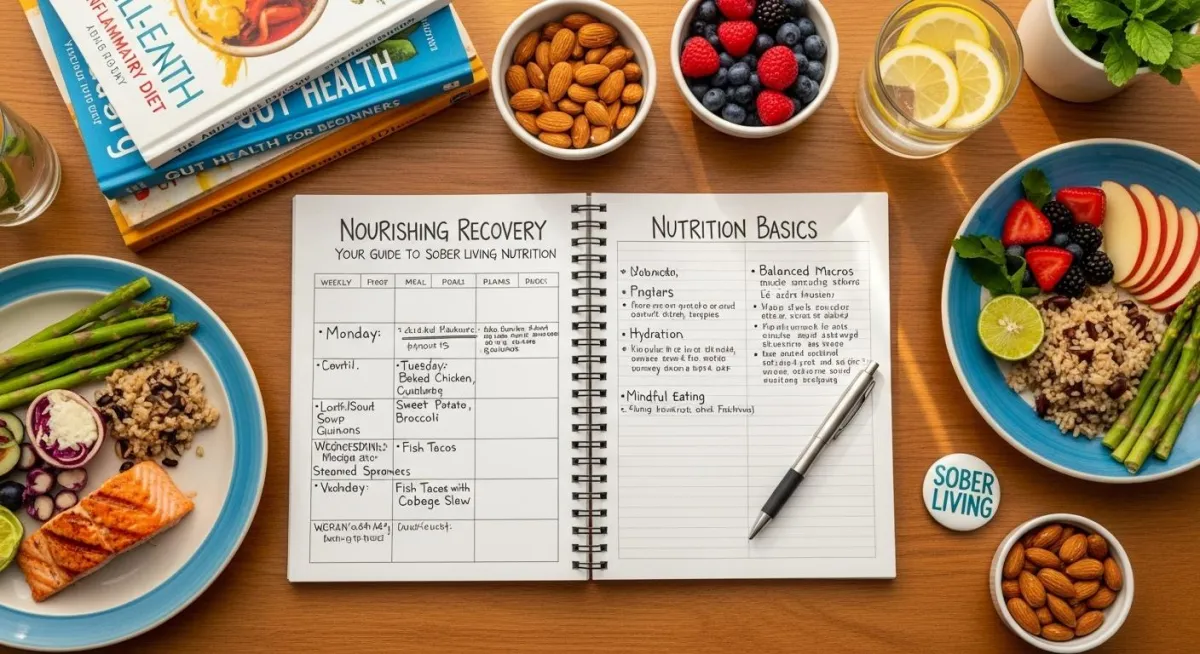
Meal Planning and Nutrition in Sober Living
Rebuilding your health starts with what you put on your plate. Trinity House Sober Living in Marysville, WA provides men with a supportive environment where healthy eating and proper nutrition are prioritized as essential components of lasting recovery. Our structured program helps residents develop the skills and habits needed to nourish their bodies and minds. Call us today at (425) 474-3210 or visit trinityhouse.info to learn how we support your complete recovery journey, including nutritional wellness.
When most people think about recovery from addiction, they focus on therapy, meetings, and staying away from substances. While these elements are absolutely critical, there's another foundational aspect of recovery that often gets overlooked: nutrition.
The relationship between what you eat and how you feel in recovery cannot be overstated. Addiction takes a devastating toll on your body, depleting essential nutrients, disrupting your metabolism, and damaging organs involved in digestion and nutrient absorption. As you begin your journey in a sober living home, learning to properly nourish your body becomes just as important as attending meetings and working your program.
This comprehensive guide will help you understand why nutrition matters in recovery, how to plan and prepare healthy meals on a budget, and practical strategies for making nutrition a sustainable part of your sober lifestyle.
The Nutrition-Recovery Connection
During active addiction, proper nutrition usually takes a back seat to using. You might have skipped meals entirely, survived on fast food and convenience items, or found that substances suppressed your appetite to the point where eating felt like a chore. Different substances affect nutrition in different ways, but the end result is typically the same: malnutrition, vitamin deficiencies, and a body struggling to function properly.
Alcohol depletes B vitamins (especially B1, B6, and folate), magnesium, zinc, and vitamin C. It damages the liver, which is essential for processing nutrients, and irritates the digestive tract, making it harder to absorb what you do eat. Chronic alcohol use often leads to deficiencies that affect your brain function, mood regulation, and energy levels.
Stimulants like methamphetamine and cocaine suppress appetite dramatically, often leading to significant weight loss and severe malnutrition. Users may go days without eating properly, and the increased metabolism these drugs cause means the body burns through nutrients faster than they can be replaced.
Opioids cause chronic constipation, nausea, and changes in appetite that disrupt normal eating patterns. They also interfere with the body's natural pain signals and hunger cues, making it difficult to recognize when you need to eat.
Cannabis can create erratic eating patterns, often leading to consumption of high-calorie, nutrient-poor foods. While the "munchies" might seem to encourage eating, the quality of that eating is typically very poor.
When you enter recovery, your body desperately needs nutrients to heal. Your brain needs specific amino acids to rebuild neurotransmitter systems that addiction has disrupted. Your liver, pancreas, and digestive system need support to return to normal function. Your entire body is crying out for the vitamins, minerals, proteins, and healthy fats it's been deprived of, sometimes for years.
Proper nutrition in early recovery supports:
Mental Health and Mood Stability: The amino acids from protein are building blocks for neurotransmitters like serotonin and dopamine, which regulate mood, motivation, and emotional wellbeing. Stable blood sugar prevents mood swings and irritability.
Energy and Physical Healing: Your body needs calories and nutrients to repair damaged organs, rebuild muscle mass, strengthen your immune system, and restore normal metabolic function.
Cognitive Function: Good nutrition improves concentration, memory, decision-making, and impulse control—all things that addiction impaired and recovery requires you to rebuild.
Cravings Management: Proper nutrition helps stabilize blood sugar and neurotransmitter levels, reducing the intensity and frequency of cravings for substances.
Sleep Quality: Certain nutrients support healthy sleep patterns, which are often severely disrupted in early recovery. Better sleep means better emotional regulation and decision-making.
Stress Management: A well-nourished body handles stress more effectively. When you're undernourished, everything feels harder and more overwhelming.
Understanding this connection helps you see that eating well isn't vanity or an optional part of recovery—it's foundational to your success.
Nutrition Basics for Recovery
You don't need to become a nutritionist or follow a complicated diet plan to eat well in recovery. Focus on these fundamental principles:
Eat Regular Meals: Aim for three balanced meals per day, eaten at roughly the same times. This regulates your blood sugar, provides consistent energy, and helps re-establish normal hunger cues that addiction disrupted. If you're very active or have a fast metabolism, add one or two healthy snacks between meals.
Include Protein at Every Meal: Protein provides the amino acids your brain needs to produce neurotransmitters. Good sources include eggs, chicken, turkey, fish, lean beef, beans, lentils, Greek yogurt, cottage cheese, tofu, and nuts. Aim for a palm-sized portion of protein with each meal.
Load Up on Vegetables and Fruits: These provide vitamins, minerals, antioxidants, and fiber that support healing throughout your body. Fill half your plate with vegetables at lunch and dinner, and include fruit with breakfast or as snacks. The more colorful your plate, the better.
Choose Complex Carbohydrates: Whole grains, brown rice, quinoa, oats, sweet potatoes, and whole wheat bread provide sustained energy without the blood sugar spikes and crashes that come from refined carbs and sugar. These foods also contain B vitamins, which are often depleted in addiction.
Include Healthy Fats: Your brain is about 60% fat and needs healthy fats to function properly. Include sources like olive oil, avocados, nuts, seeds, and fatty fish like salmon. These fats support brain health, reduce inflammation, and help you absorb fat-soluble vitamins.
Stay Hydrated: Dehydration affects mood, energy, and cognitive function. Aim for 8-10 glasses of water daily. If plain water is boring, add lemon, cucumber, or herbs. Limit caffeine and avoid energy drinks, which can trigger anxiety and disrupt sleep.
Limit Sugar and Processed Foods: Many people in early recovery develop intense sugar cravings as their brain seeks the dopamine hit it used to get from substances. While occasional treats are fine, relying on sugar can create blood sugar instability, mood swings, and even a transfer addiction. Focus on whole, minimally processed foods most of the time.
Consider a Multivitamin: Talk to your doctor about whether you should take a general multivitamin and possibly additional supplements like B-complex vitamins, vitamin D, omega-3 fatty acids, or magnesium. Many people in early recovery benefit from supplementation while they're rebuilding their nutritional status.
These basics provide a solid foundation. You don't need perfection—you need consistency and gradual improvement over time.
Meal Planning in a Sober Living Home
Living in a sober living home often means sharing kitchen space, shopping collectively, and coordinating meals with housemates. This environment actually provides a great opportunity to develop meal planning skills in a supportive setting.
Understand Your House's Food Arrangements: Some sober living homes provide all meals, others have a communal grocery budget, and some require residents to manage their own food completely. Know what your specific situation is so you can plan accordingly.
Create a Weekly Meal Plan: Spend 20-30 minutes each week planning your meals. This doesn't have to be elaborate—even a simple plan prevents decision fatigue and reduces the temptation to resort to fast food or skip meals. Write down what you'll eat for breakfast, lunch, and dinner each day of the week.
Make a Grocery List: Based on your meal plan, create a detailed shopping list organized by store section (produce, dairy, meat, etc.). This keeps you focused while shopping and prevents impulse purchases that blow your budget.
Shop on a Full Stomach: Never grocery shop when you're hungry. You'll make poor choices and spend more money. Eat a meal or substantial snack before heading to the store.
Batch Cook When Possible: Prepare large quantities of foods that store well and can be used in multiple meals. Cook a big batch of brown rice, grill several chicken breasts, chop vegetables, or make a large pot of soup or chili. This gives you healthy components ready to assemble into quick meals throughout the week.
Coordinate with Housemates: If you're sharing a kitchen, communicate with your housemates about refrigerator space, cooking times, and shared ingredients. Consider organizing group meal prep sessions where everyone cooks together—this builds community while making meal prep more efficient and enjoyable.
Label Your Food: In shared living situations, clearly label your food with your name and the date. This prevents confusion and reduces conflict over missing items.
Respect Shared Spaces: Clean up thoroughly after cooking and eating. Dirty kitchens create tension in sober living environments and make it less pleasant for everyone to maintain healthy eating habits.
The structure of a sober living home can actually make meal planning easier because you're establishing these habits in a supportive environment with built-in accountability.
Budget-Friendly Nutrition Strategies
One of the most common barriers to healthy eating in recovery is cost. Many residents in sober living are rebuilding their finances and need to eat well on a tight budget. The good news is that nutritious eating doesn't have to be expensive.
Buy Store Brands: Generic or store-brand products are often identical in quality to name brands but cost significantly less. This is especially true for basics like rice, beans, oats, canned vegetables, and dairy products.
Focus on Affordable Protein Sources: Eggs are one of the cheapest and most nutritious protein sources available. Canned tuna and salmon, chicken thighs (instead of breasts), dried beans, lentils, and peanut butter all provide excellent protein at reasonable prices.
Buy Seasonal Produce: Fruits and vegetables cost less when they're in season and abundant. In winter, focus on root vegetables, cabbage, and citrus. In summer, take advantage of berries, tomatoes, and zucchini.
Use Frozen Vegetables and Fruits: Frozen produce is just as nutritious as fresh, often cheaper, and lasts much longer. Stock up when they're on sale. Frozen vegetables are pre-washed and chopped, saving you time and reducing waste.
Plan Around Sales: Check store ads before shopping and build your meal plan around what's on sale that week. If chicken is on sale, plan several chicken-based meals. Stock up on non-perishables when prices are low.
Buy in Bulk: Items like rice, oats, beans, lentils, nuts, and seeds are cheaper when purchased in larger quantities. If storage space allows, buying these staples in bulk saves significant money over time.
Minimize Food Waste: Plan meals that use similar ingredients so nothing goes bad. Use vegetable scraps to make broth. Freeze leftovers before they spoil. Get creative with "kitchen sink" meals that use up odds and ends.
Visit Food Banks When Needed: There's no shame in using food assistance resources while you're getting back on your feet. Many food banks offer fresh produce, dairy, and protein in addition to shelf-stable items.
Cook from Scratch: Pre-made and convenience foods cost significantly more than basic ingredients. Learning to cook simple meals from scratch is one of the best investments you can make in your health and budget.
Limit Restaurant and Takeout: Fast food might seem cheap, but cooking at home is almost always more affordable and healthier. Save restaurant meals for occasional treats rather than regular habits.
Eating well on a budget requires planning and effort, but it's absolutely achievable. The money you save can go toward other recovery goals like paying off debt or building an emergency fund.
Simple, Recovery-Friendly Recipes
You don't need to be a chef to eat well in recovery. Here are some simple, nutritious meal ideas that require minimal cooking skills:
Breakfast Ideas:
Overnight oats: Mix oats, milk or yogurt, chia seeds, and fruit in a jar. Refrigerate overnight and eat cold in the morning.
Scrambled eggs with vegetables: Scramble 2-3 eggs with spinach, peppers, and onions. Serve with whole wheat toast.
Greek yogurt parfait: Layer Greek yogurt with granola, berries, and a drizzle of honey.
Whole grain toast with peanut butter and banana slices.
Smoothie: Blend frozen fruit, spinach, Greek yogurt, and milk for a nutrient-packed drink.
Lunch Ideas:
Mason jar salads: Layer dressing at the bottom, then hearty vegetables, beans or chicken, and greens on top. Shake and eat.
Tuna or chicken salad wraps: Mix canned fish or leftover chicken with Greek yogurt, celery, and seasonings. Wrap in a whole wheat tortilla with lettuce.
Vegetable and bean soup: Make a big batch on Sunday and eat it throughout the week.
Turkey and cheese roll-ups with fruit and vegetables.
Leftover dinner from the night before.
Dinner Ideas:
Sheet pan meals: Place chicken or fish on a baking sheet with chopped vegetables, drizzle with olive oil, season, and roast at 400°F for 25-30 minutes.
Stir-fry: Sauté protein and vegetables in a pan with soy sauce, garlic, and ginger. Serve over brown rice.
Slow cooker chili: Combine beans, ground turkey, diced tomatoes, and spices in a slow cooker in the morning. Dinner is ready when you get home.
Baked sweet potatoes topped with black beans, salsa, and Greek yogurt.
Whole wheat pasta with marinara sauce and a side salad.
Grilled chicken or fish with roasted vegetables and quinoa.
Healthy Snacks:
Apple slices with almond butter
Carrots and hummus
Greek yogurt with berries
Hard-boiled eggs
Mixed nuts and dried fruit
String cheese and whole grain crackers
Homemade trail mix
The key is finding a handful of simple recipes you enjoy and can prepare consistently. As your confidence grows, you can experiment with more complex dishes.
Special Nutritional Considerations in Recovery
Different substances and individual circumstances may require specific nutritional attention:
Addressing Sugar Cravings: Many people in early recovery experience intense sugar cravings as the brain seeks easy dopamine. Instead of fighting these cravings with willpower alone, include naturally sweet whole foods like fruit, dates, and sweet potatoes in your diet. When you do have something sweet, pair it with protein to minimize blood sugar spikes.
Healing the Gut: Alcohol and other substances damage the digestive tract. Support gut healing with probiotic-rich foods like yogurt, kefir, and fermented vegetables. Include plenty of fiber from vegetables, fruits, and whole grains to support healthy digestion.
Supporting Liver Health: If you've been drinking heavily, your liver needs support to heal. Cruciferous vegetables like broccoli, cauliflower, and Brussels sprouts support liver detoxification. Stay well-hydrated and avoid excessive fats while your liver recovers.
Managing Dual Diagnosis: If you have co-occurring mental health conditions like depression or anxiety, certain nutrients become even more important. Omega-3 fatty acids from fish support brain health. B vitamins and magnesium support mood regulation. Talk to your doctor about whether specific supplements might help.
Rebuilding Muscle Mass: If you've lost significant weight or muscle during addiction, focus on adequate protein intake (aim for 0.8-1 gram per pound of body weight) and incorporate strength training exercises to rebuild your physique.
Weight Gain Concerns: Some people gain weight in early recovery as their appetite normalizes and they're no longer using substances that suppressed it. Focus on healthy, whole foods rather than restricting calories. Your body is healing and may need to gain some weight. If weight gain becomes excessive or concerning, talk to a healthcare provider rather than resorting to extreme diets.
Everyone's nutritional needs are slightly different based on their substance use history, current health status, and individual biology. Don't be afraid to seek guidance from healthcare providers or registered dietitians who understand addiction recovery.
Building Sustainable Habits
The goal isn't to follow a perfect diet for a few weeks and then revert to old patterns. You're building lifelong habits that support your recovery and overall health.
Start Small: Don't try to overhaul your entire diet overnight. Choose one or two changes to focus on this week, like eating breakfast every day or adding vegetables to dinner. Once those become habits, add another change.
Practice Mindful Eating: Pay attention to your food. Eat slowly, without distractions like TV or phones. Notice flavors, textures, and how different foods make you feel. This builds awareness and helps you recognize true hunger versus emotional eating.
Learn to Cook: If you don't know how to cook, now is the time to learn. Start with simple recipes and basic techniques. YouTube, free cooking classes at community centers, and simple cookbooks can teach you everything you need to know. Cooking is a valuable life skill and a healthy coping mechanism.
Plan for Challenges: You'll face situations that make healthy eating difficult—stress, limited money, social events, or simply being tired. Think ahead about how you'll handle these situations. Having healthy frozen meals or shelf-stable backup options helps when life gets chaotic.
Don't Aim for Perfection: You will occasionally eat fast food. You will have days when you skip breakfast or survive on snacks. What matters is your overall pattern over time, not individual meals or days. Progress, not perfection.
Connect Food and Feelings: Keep a simple food and mood journal for a few weeks. Note what you eat and how you feel afterward. You'll likely notice connections between certain foods and your energy, mood, and cravings. This awareness helps you make choices that support your recovery.
Make it Social: Share meals with housemates. Cook together. Exchange recipes. Attend recovery-focused potlucks. Making healthy eating a social activity increases both enjoyment and accountability.
Celebrate Milestones: Acknowledge your progress. After a month of regular meal planning, treat yourself to a new kitchen tool. After three months of cooking most meals at home, celebrate with a nice dinner out. Recognizing your achievements reinforces positive habits.
The skills you build around meal planning and nutrition in your sober living home will serve you for the rest of your life. You're not just learning to eat well—you're learning to care for yourself in a fundamental way that addiction taught you to neglect.
The Role of Community in Nutritional Wellness
One of the benefits of living in a sober living home is that you're not navigating nutrition alone. Your housemates and staff can be valuable sources of support:
Share Cooking Responsibilities: Rotate cooking duties so everyone contributes and learns new recipes. This reduces the burden on any individual and exposes everyone to different healthy foods.
Pool Resources: If allowed by your house rules, consider pooling some grocery money to buy staples in bulk or share meal preparation.
Learn from Each Other: Share tips, recipes, and strategies. If someone knows how to make amazing healthy meals on a budget, ask them to teach you. If you're great at meal prep, show others your system.
Hold Each Other Accountable: Check in with each other about nutrition goals. Encourage housemates who are struggling. Celebrate wins together.
Address Challenges as a Group: If the house kitchen is always messy or certain people aren't respecting shared food, address these issues directly but kindly. A functional, pleasant kitchen makes healthy eating easier for everyone.
Community support makes difficult changes more sustainable. Use your sober living environment to build skills and habits you'll carry forward into independent living.
Moving Forward
Nutrition might not seem as urgent as staying sober, attending meetings, or finding employment, but it's a critical foundation that supports everything else you're trying to accomplish in recovery. When you nourish your body properly, you have more energy, better mood stability, clearer thinking, and greater resilience to handle the challenges that come your way.
Start where you are. If you're currently surviving on fast food and convenience items, any improvement matters. Add one vegetable to dinner. Eat breakfast three days this week instead of zero. Drink one extra glass of water each day. Small changes compound over time into transformed health.
Use your time in sober living to build these skills while you have support and structure. The meal planning, grocery shopping, cooking, and mindful eating practices you develop now will serve you throughout your life in recovery.
Your body has been through a lot. It deserves nourishment, care, and respect. Every healthy meal you prepare is an act of self-love and a investment in your recovery. You're worth the effort it takes to fuel your body well.
Ready to prioritize your complete recovery, including nutritional wellness? Trinity House Sober Living in Marysville, WA provides a supportive environment where you can develop healthy eating habits alongside your sobriety skills. Our structured program helps you build the foundation for lasting recovery. Call us today at (425) 474-3210 or visit trinityhouse.info to learn how we can support every aspect of your recovery journey.