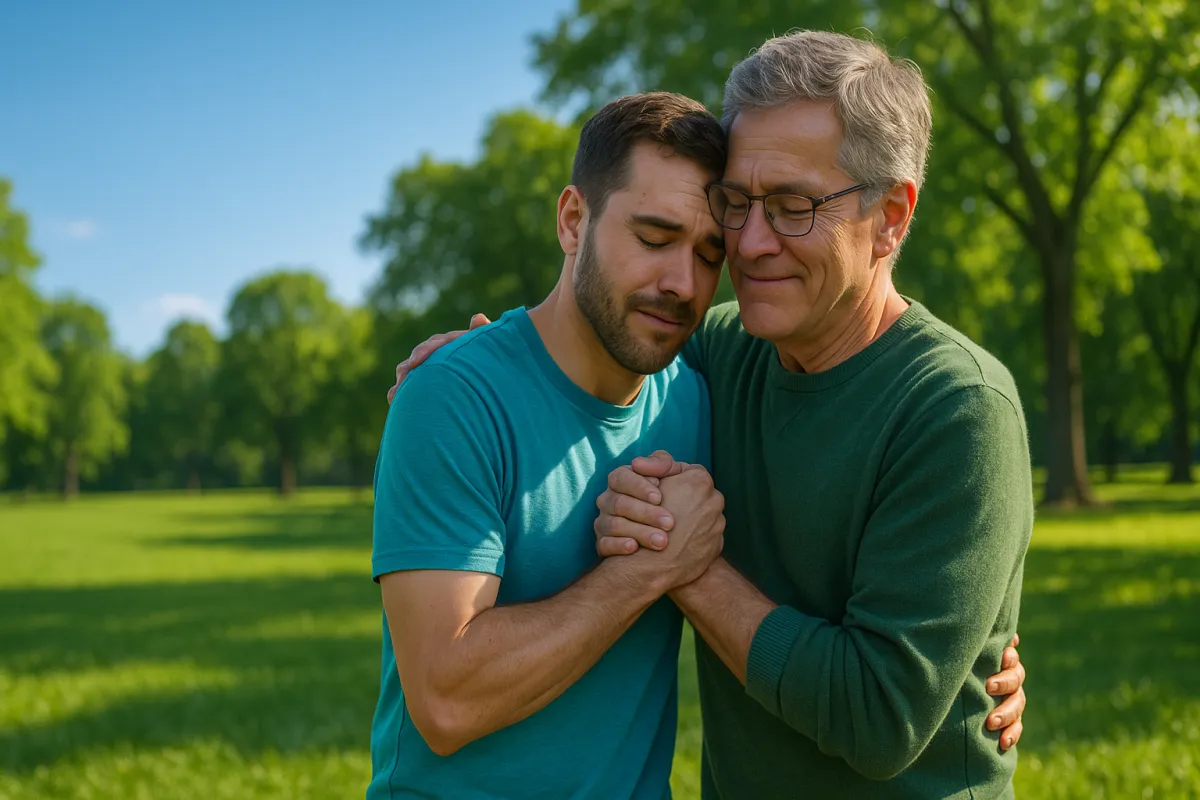
Rebuilding Trust with Loved Ones After Addiction
Restore What Matters at Trinity House
Trinity House Sober Living in Marysville, WA provides the structured, accountable environment men need to demonstrate lasting change and begin rebuilding the trust of those they love most.
📞 (425) 474-3210 | 🌐 trinityhouse.info
Introduction: Trust Is Not Given Back — It Is Earned
One of the most painful realities of life after addiction is the recognition of how much trust has been broken. Trust with parents, partners, children, siblings, friends, employers — the damage is often extensive and deeply felt. And one of the most common frustrations in early recovery is the desire to have those relationships restored quickly, on the recovering person's timeline rather than the hurt person's. The hard truth is this: trust that takes years to break takes time to rebuild. There are no shortcuts. But there is a path — and for those willing to walk it with patience, consistency, and genuine humility, the restoration of broken relationships is not only possible, it is one of the most profoundly rewarding outcomes of recovery.
Understand Why Trust Was Broken
Before you can rebuild trust, you need to truly understand — not just acknowledge in the abstract — why it was broken. Active addiction involves patterns of behavior that systematically erode trust: dishonesty, broken promises, manipulation, emotional unavailability, and often financial harm or physical endangerment of loved ones. The people in your life who were hurt need to know that you understand the specific impact of your actions, not just that you feel generally sorry.
This understanding is both painful and necessary. It is the work of the Fourth and Fifth Steps in 12-Step recovery — the searching, fearless moral inventory, and the sharing of that inventory with another person. This work is not about self-flagellation; it is about the clarity and accountability that make genuine amends possible.
Make Amends — Know the Difference Between Amends and Apology
An apology says I'm sorry. An amend says I'm sorry, and here's what I'm doing differently. The 12-Step concept of making amends goes beyond words to a sustained change in behavior. True amends are not achieved in a single conversation — they are demonstrated over months and years of consistent, trustworthy action.
This distinction matters enormously because the people hurt by addiction have often heard many apologies. They have watched the cycle of remorse, promises, and relapse repeat itself. What they need now is not more words — it is evidence. They need to see, over time, that things have genuinely changed. That evidence is the foundation on which trust is rebuilt.
Be Patient With Others' Timelines
One of the most difficult aspects of trust-rebuilding in recovery is accepting that the people you have hurt are on their own healing timeline — and it may not align with yours. You may feel genuinely changed after 90 days of sobriety and be frustrated that your family still holds back. That response is not unfair — it is protective. Pushing loved ones to forgive faster than they are ready to can actually set back the trust-building process. Instead, communicate acceptance of their timeline: I understand you've been hurt and I am not going to pressure you. I'm just going to keep showing up.
Consistency Is the Currency of Trust
Trust, at its core, is the prediction that someone will do what they say they will do. Rebuilding that prediction requires data — a track record of reliable, consistent behavior over time. Show up when you say you will. Follow through on commitments, no matter how small. Call when you said you would call. Attend the thing you said you would attend. Be where you said you would be. These seemingly small acts of consistency accumulate into something powerful: a pattern of reliability that begins to change the story your loved ones tell about you. Over weeks and months, the evidence of your changed behavior begins to outweigh the memory of the harm.
Get Support for the Relationship
Some relational damage from addiction is too significant to repair without professional support. Couples therapy, family therapy, and addiction-specific relational counseling provide a structured, guided environment for the difficult conversations and healing work that trust-rebuilding requires. If you are attempting to rebuild a marriage, a parent-child relationship, or a close friendship seriously damaged by addiction, therapy is not optional — it is essential. Many therapists who specialize in addiction work with both the recovering person and their loved ones, helping both parties communicate more effectively, process grief and anger, and navigate the complex emotional terrain of relational recovery.
Forgive Yourself, Too
Trust-rebuilding with loved ones must be accompanied by self-forgiveness. Carrying crushing, unresolved shame about the harm you caused will ultimately undermine both your recovery and your relationships. Shame breeds defensiveness, avoidance, and the need to escape — all of which are enemies of the consistent, open presence that trust-rebuilding requires. Self-forgiveness does not mean minimizing the harm you caused. It means accepting that you caused harm while in the grip of a disease, and that you are no longer the same person. It means choosing to move forward rather than being permanently imprisoned by your past.
Conclusion: Show Up, Every Day
Rebuilding trust after addiction is one of the most courageous undertakings in human experience. It requires vulnerability, patience, consistency, and a willingness to be held accountable without resentment. It may take longer than you want. There may be setbacks. But it is possible — and for the people waiting on the other side of your effort, it is worth everything you have to give.
Build the Trust That Changes Everything at Trinity House
Trinity House Sober Living in Marysville, WA gives men the structure, accountability, and support they need to demonstrate lasting change and begin rebuilding the relationships that matter most.
📞 Call or Text: (425) 474-3210
Trinity House Sober Living — Marysville, WA